Physical Address
304 North Cardinal St.
Dorchester Center, MA 02124
Physical Address
304 North Cardinal St.
Dorchester Center, MA 02124

When moving into a rented house or apartment, one of the first requirements is a proper electricity connection. Tenants often face confusion regarding the process, the documentation involved, the role of the property owner, and whether they themselves can apply for a new connection.
“Can a Tenant Apply for an Electricity Connection in India?”
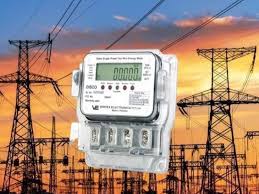
This article will provides a clear and structured explanation of how a tenant can apply for an electricity connection, what responsibilities the owner holds, and how the entire procedure works.
Yes. A tenant is legally allowed to apply for a new electricity connection. Electricity is considered an essential service, and a tenant cannot be denied access to it.
However, electricity providers require identity proof, address verification, and valid tenancy documents to ensure the applicant lives at the premises. In many cases, the electricity board also asks for a No Objection Certificate (NOC) from the property owner.
In short, the connection is applied by the tenant, but the owner still has certain responsibilities, which are explained below.
In some states or electricity circles, a valid rent agreement itself is treated as equivalent to an NOC.
Every state has its own electricity board such as:
Open the “New Electricity Connection” section on the website.
The tenant must enter:
Upload:
An engineer visits the premises to check:
The tenant pays the processing fee and security deposit.
This amount may vary from state to state.
Once the inspection is satisfactory and documents are verified, the electricity provider installs a new meter at the rented house.
Although the electricity connection is applied for by the tenant, the owner still plays an important supporting role. The main responsibilities of the owner include:
The landlord must provide identification documents and, if required, ownership documents of the property.
In many states, the tenant cannot apply for a new connection without an NOC.
This document confirms that the owner has no objection to the tenant applying for and using a separate electricity meter.
The owner must allow the electricity provider to access the property to install or inspect the meter.
The landlord should ensure that the rent agreement clearly states who is responsible for paying electricity bills. In most cases, the tenant pays the bills, but clarity is essential to avoid disputes.
If the electricity department raises concerns related to property rights, the owner may need to verify that the tenant is legally occupying the premises.
This is a common issue for tenants. If the owner refuses an NOC, the tenant still has options:
However, the exact rules depend on the state electricity board.
A tenant can apply for a new electricity connection without difficulty as long as the required documents are submitted and the process is followed correctly. While the tenant is the applicant and responsible for payments, the owner plays an important role by providing documentation and permission for installation.
A clear rent agreement, proper communication between tenant and owner, and following the standard procedure ensure a smooth connection process. With the correct steps, any tenant can obtain an independent and legally valid electricity meter in a rented property.